

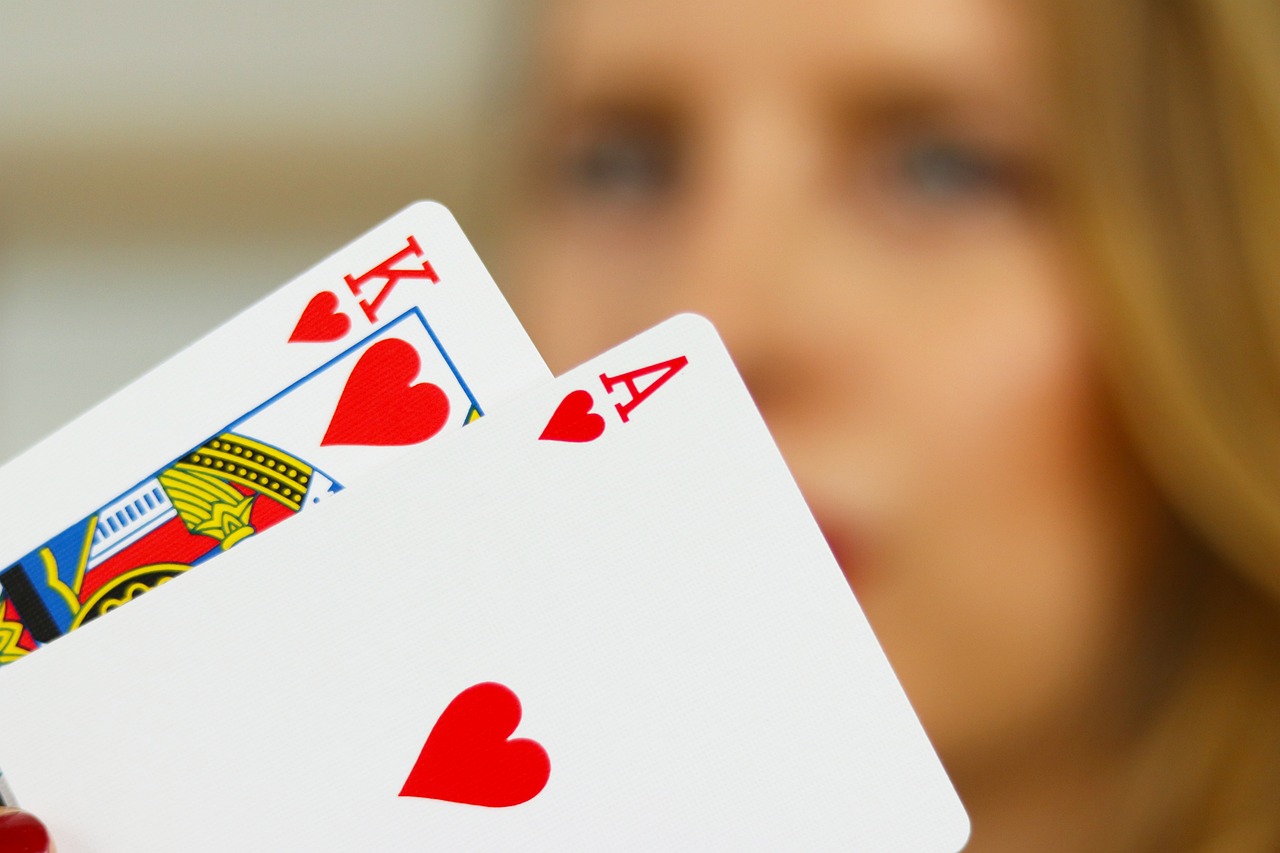
The floor manager at a Vegas casino once told me that the house doesn't gamble. That single sentence explains more about iGaming than any textbook. Whether you're spinning a five-reel slot at 3 a.m., grinding a poker cash game on your phone during a commute, or hunting value in a Champions League match, you are the one taking the risk. The platforms are simply selling you a ride. Understanding how that ride is engineered—the math, the psychology, the product design—is the difference between a hobby that entertains and a leak that drains your bankroll.
How Slots Really Work (It's Not Random Like You Think)
Modern video slots don't have physical reels. They have a random number generator (RNG) churning out billions of outcomes per second, and the pretty graphics are just a skin. What matters is the RTP—Return to Player—a percentage that tells you what the machine pays back over millions of spins. A slot with 96% RTP keeps 4 cents of every dollar wagered, long-term. A 92% slot keeps 8. That difference is enormous when you're spinning 600 times an hour.
But RTP isn't the whole story. Volatility matters just as much. Low-volatility slots like Starburst pay small amounts frequently, which is great if you want a long session on a small budget. High-volatility monsters like Money Train 3 can go 200 spins without a win, then dump 5,000x your stake in one bonus round. Neither is "better"—they're just different shapes of the same risk curve.
A few concrete things to check before you spin:
- Max win cap. Some slots cap payouts at 5,000x, others at 50,000x. That cap is often correlated with volatility and bonus frequency.
- Hit frequency. If the game info claims 25%, roughly 1 in 4 spins returns something. Under 20% feels brutal.
- Bonus buy cost. If a feature costs 100x your stake, the value inside usually averages around 97x—the house edge is baked in.
- Licensing. A Malta Gaming Authority or UK Gambling Commission license means audited RNGs. Offshore licenses vary wildly.
The Poker Room Is a Different Beast Entirely
Slots are a math problem you can't influence. Poker is a math problem you can influence, and that's why serious players gravitate to it. The house doesn't beat you directly in a cash game—it takes a rake, usually 5% capped at $3 in most online $1/$2 games, and lets the players fight over the rest.
That rake is the reason so many otherwise competent players never beat $1/$2. If you're paying $20 an hour in rake and winning $15 an hour in EV against your opponents, you're losing $5 an hour. Moving to $2/$5 with the same win rate at a similar rake cap changes everything: the rake is proportionally smaller, and your edge compounds.
Three leaks kill more recreational players than bad beats ever will: There is a useful overview at B52CLUB.
- Playing too many starting hands. If you're seeing 40% of flops, you're bleeding. Solid tight-aggressive ranges are around 22–25% in full-ring games.
- Ignoring position. The button is the most profitable seat at the table. Under-the-gun is the least. Same cards, different results.
- Calling instead of raising or folding. Passive play turns you into a target. Aggression forces opponents to define their hands.
Also worth saying: if you're playing tournaments, the math shifts again. ICM (Independent Chip Model) pressure means chips you win are worth less than chips you lose, especially near the bubble. That's why pros fold hands on the bubble that they'd snap-call in a cash game. If you don't understand ICM, you will make expensive mistakes in every tournament you enter.
Betting: The Market Is an Information Game
Sports betting has changed more in five years than in the previous fifty. Same-game parlays, live in-play markets, cash-out features—the products are engineered to be sticky and exciting, which usually means expensive for the bettor. The vig (house edge) on a standard -110/-110 spread is about 4.5%. On a three-leg parlay with the same lines, the built-in margin balloons past 12%. That's not a scandal; it's the price of the entertainment.
Sharps think in terms of closing line value (CLV). If you bet a team at +150 and the line closes at +130, you got the better number, and over thousands of bets, beating the closing line is the single strongest predictor of long-term profit. Chasing steam, using multiple books to line-shop, and tracking your own yields matter more than any handicapping "system" sold on YouTube.
A few hard truths about betting markets:
- Favorites in low-scoring sports (soccer unders, hockey, baseball moneylines) tend to be priced fairly tightly. Edges live in niche leagues, props, and live markets.
- Promotional boosts are real value, but they're usually capped and often require the odds to be -200 or worse. Read the terms.
- Closing line movement is information. If the line moves 10 cents against you right after you bet, you probably misread something.
Bankroll, Tilt, and the Unglamorous Stuff
Every iGaming discipline—slots, poker, betting—is undermined by the same two forces: tilt and bad bankroll management. Tilt is the emotional spiral after a loss where you start making decisions you'd never defend sober. The remedy isn't willpower; it's a rule. End the session. Stand up. Walk away for at least an hour.
Bankroll management is equally boring and equally essential. For slots, a common guideline is to bring 100–200 units per session (a "unit" being your base spin size), which gives you enough runway to survive variance. For poker, 20–30 buy-ins for cash games and 50–100 for tournaments. For betting, 1–2% of your total bankroll per wager so a bad weekend doesn't wipe you out.
And here's the part nobody wants to hear: track everything. Use a spreadsheet, an app, whatever. If your net line is negative after 500 hours of poker or 2,000 bets, the data is telling you something. Ignoring it doesn't make it less true.
The Honest Takeaway
iGaming is a legitimate entertainment industry, but the products are designed by people who understand behavioral psychology better than most gamblers understand themselves. Slots are engineered around dopamine timing. Poker rewards patience and discipline while pretending to be a game of gumption. Betting is a war of information, and the books have more of it than you do.
None of that means you can't win—sharp bettors, high-volume slot streamers with disciplined bankrolls, and dedicated poker pros all make money. But they treat it as a craft with real costs, not a get-rich-quick escape. If you spin for fun, budget for it and enjoy the ride. If you're playing to profit, do the math, respect the variance, and never assume the house is gambling. It isn't. You are.


Coding is used in almost all aspects of life and work now, be it directly or indirectly. It’s not just for companies in the tech sector. “An increasing number of businesses rely on computer code,
Coding is used in almost all aspects of life and work now, be it directly or indirectly. It’s not just for companies in the tech sector. “An increasing number of businesses rely on computer code,
Coding is used in almost all aspects of life and work now, be it directly or indirectly. It’s not just for companies in the tech sector. “An increasing number of businesses rely on computer code,