

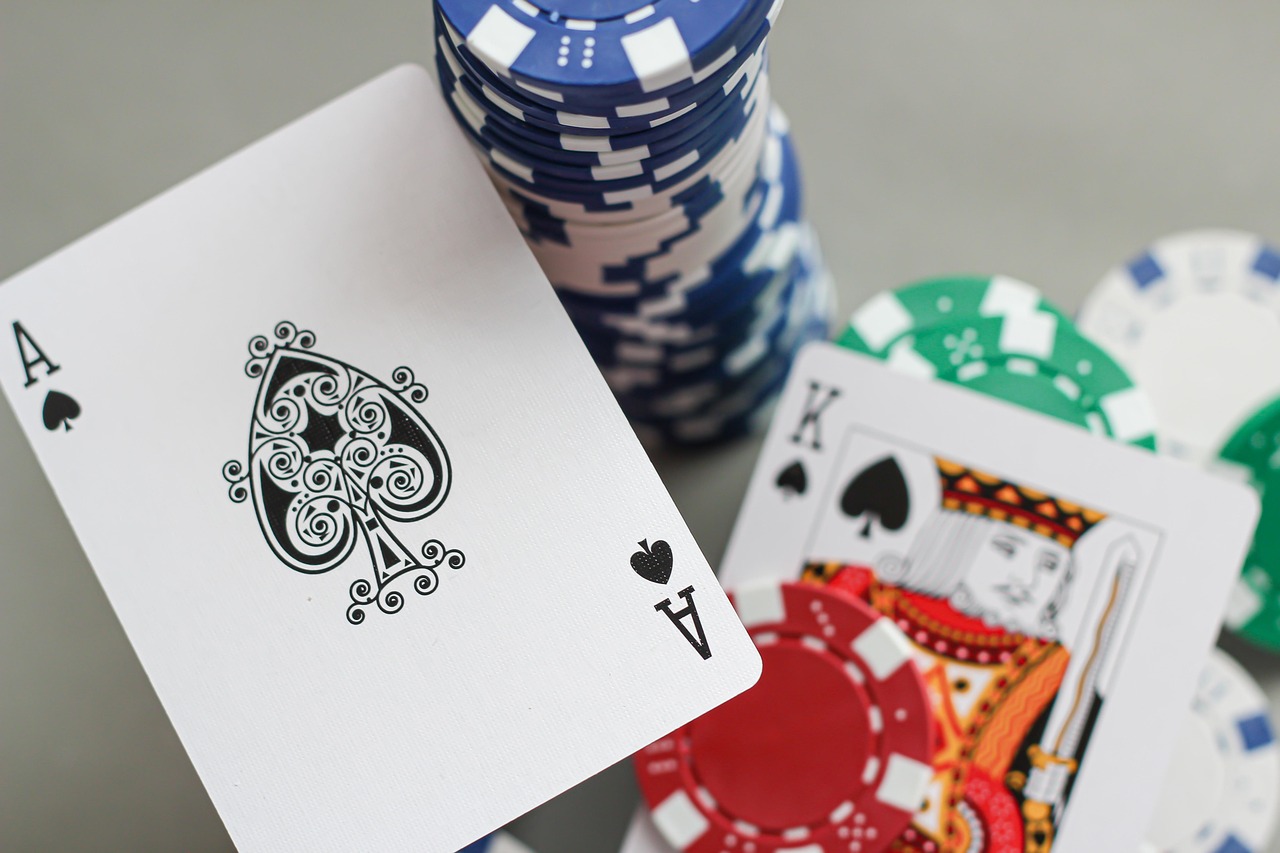
Every gambler remembers their first big win. Mine was a £40 spin on a progressive slot in a smoky back room in Leeds. I walked out convinced I'd cracked the code. Three weeks later, I'd donated every penny back — plus interest — to the same machine. That cycle is the engine of the entire iGaming industry, and understanding it is the difference between a hobby and a hemorrhage.
Let's talk honestly about casino games, betting, slots, and poker. Not the fantasy sold by affiliate banners. The real maths, the real psychology, and the real strategies that actually separate long-term winners from the 96% who fund them.
Slots: The Most Honest Game in the Casino
Here's a counterintuitive truth: slots are perhaps the fairest games on the floor precisely because they're the least disguised. There's no dealer to read, no bluff to call, no decision to agonise over. Just a random number generator, a return-to-player (RTP) percentage, and a variance curve you either respect or ignore.
Take a standard online slot with 96% RTP. Over ten million spins, the house keeps 4%. Over your session of 200 spins, that number means almost nothing in the short run — you might triple your bankroll or lose it entirely. But across thousands of sessions, your expected loss tracks that percentage with brutal precision.
The key insight most players miss is variance. A high-variance slot like Book of Dead might pay its 96% RTP through rare, massive wins. A low-variance game like Starmania pays it through frequent small returns. Neither is better — they're different psychological products. If you have a £50 bankroll and want an evening of play, low variance keeps you seated. If you're chasing a jackpot, high variance is your slot. Going the other way is how you lose your rent in twelve minutes.
- Check RTP before you play. Slots range from 94% to 98%. On a £500 monthly budget, the difference between 94% and 97% is £15 per month in expected losses — £180 a year.
- Ignore 'due for a win' logic. RNGs have no memory. A machine that hasn't paid in 10,000 spins has the same odds on the next spin as it did at spin one.
- Treat bonuses carefully. A 100% match bonus with 40x wagering on a 94% RTP slot is often negative expected value unless you're disciplined about stake sizing.
Poker: The Only Game Where Skill Beats the House
Poker is the one discipline in iGaming where a skilled player can achieve a genuine long-term edge over the field. The house doesn't care — it takes a rake either way. You're not playing against the casino; you're playing against other humans and paying a small tax for the privilege. If this is new to you, https://winvn.company/ is a sensible next read.
That distinction matters. In slots, the game is designed to beat you. In poker, the game is designed to extract a percentage from every pot, and the money you win comes entirely from opponents' mistakes. Your job is to make fewer mistakes than they do and to exploit theirs ruthlessly.
The modern online poker ecosystem is brutally efficient. With solvers, HUDs, and training sites, the gap between recreational and professional players has never been wider. A casual player at a 5NL table on a major site will routinely face opponents who understand range construction, pot odds, and balanced betting lines better than most live casino regulars did a decade ago.
- Master preflop ranges first. You cannot outplay postflop if you're playing the wrong hands from the wrong positions. Chart opening ranges and stick to them for 50,000 hands.
- Study bankroll management like a religion. 20 buy-ins minimum for cash games, 100 for tournaments. Breaking this rule is the single most common cause of going broke.
- Track everything. Use a hand-tracking tool. A 20bb/100 win rate over 5,000 hands means nothing. Over 150,000 hands, it's a career.
Sports Betting: Where Margin Eats the Dream
Sports betting feels like knowledge. You watch football, you understand the game, you spot value. The bookmaker's margin — typically 4% to 8% on a two-way market — is the tax on that instinct. To beat a 5% margin consistently, you need to predict outcomes more accurately than a sharp bookmaker, which almost nobody does over hundreds of bets.
Where punters occasionally find edge: obscure leagues, early lines before markets adjust, and promotions. A bookmaker offering odds of 2.10 on a team that sharp books price at 2.00 is essentially handing you value. The professional response is to take it, and only it, regardless of how much you 'feel' about the game.
Arbitrage and matched betting exist, but they're increasingly automated away. The window between a line move and the market adjusting is measured in seconds. Retail bettors aren't competing on that timescale.
The Psychology Nobody Wants to Discuss
The industry is built on behavioural science more sophisticated than most players realise. Losses disguised as 'near misses' on slots. Bonus offers engineered to extend play duration. Live dealer lobbies designed to feel social and low-stakes. None of this is accidental.
Recognising the triggers is your first real defence:
- Chasing losses — the most expensive emotion in gambling. The maths doesn't reset because you're angry.
- Sunk-cost thinking — 'I've deposited £300, I can't stop now' is exactly backwards. The £300 is gone; the next bet is independent.
- Session creep — what starts as £20 spins becomes £100 over months without conscious decision.
- Reality erosion — playing with virtual chips or bonus funds makes real currency feel abstract. It isn't.
Building an Actual Long-Term Approach
If you're going to play, play like an adult with a plan. Set a monthly budget before you open an account — money you'd spend on entertainment without resentment. Separate gambling funds from everything else. Never chase deposits. Walk away after a big win for at least 24 hours; the euphoric state is precisely when judgment is worst.
For poker players looking to improve: treat it as a skill investment, not an income stream, until you've proven over 100,000 hands that the win rate is real. For slots and casino games, accept that you're paying for recreation. The moment it feels like a financial strategy, you've lost.
The Conclusion That Actually Matters
The house edge isn't the villain of this story. The villain is the player who doesn't know the edge exists, or worse, thinks they can outrun it through instinct. Slots, betting, and casino games are entertainment products with a mathematically guaranteed cost. Poker is a skill game where the cost is the rake and the reward is the mistakes of others.
There's no trick that makes you rich in iGaming. There's only understanding the maths well enough to protect yourself, choosing games where skill actually matters, and never confusing a hot streak with a system. The players who last aren't the luckiest. They're the ones who walked in with both eyes open — and knew exactly when to walk back out.


Coding is used in almost all aspects of life and work now, be it directly or indirectly. It’s not just for companies in the tech sector. “An increasing number of businesses rely on computer code,
Coding is used in almost all aspects of life and work now, be it directly or indirectly. It’s not just for companies in the tech sector. “An increasing number of businesses rely on computer code,
Coding is used in almost all aspects of life and work now, be it directly or indirectly. It’s not just for companies in the tech sector. “An increasing number of businesses rely on computer code,