

Why spring is the busiest season in your garden
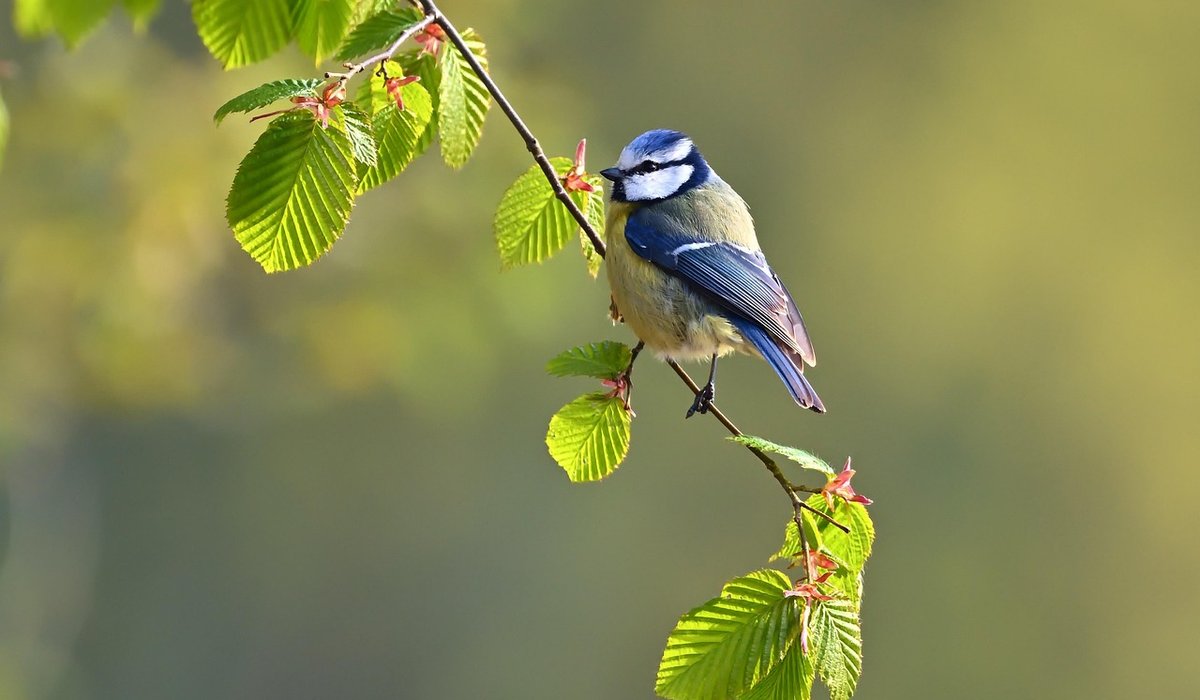
By the time the first daffodils are nodding in the borders, your garden has already become a property market. Blue tits, great tits, robins, blackbirds, sparrows and starlings are all scouting for somewhere safe to raise a brood, and the quality of what they find in your patch can make the difference between a successful clutch and a failed one. Nesting season in the UK generally runs from March through to August, with the earliest residents starting to pair up in late February. A little preparation now, while the weather is still cool and the hedges are bare, will pay dividends for months to come.
The good news is that most of the work is gentle, cheap and rather satisfying. You are not building a habitat from scratch so much as tidying up what is already there and removing the obstacles that stop birds getting on with the job.
Clear out old nests and clean your boxes
If you have nest boxes up, they will almost certainly contain the remains of last year's attempt. Old nests are a magnet for parasites such as fleas, mites and blowfly larvae, and they can harbour damp and mould through the winter. Before the new season begins, take each box down and open it up.
- Wear gloves and empty the contents straight into a bin bag, then wash your hands thoroughly afterwards.
- Scrape out dried debris with a stiff brush or an old table knife, working into the corners where ticks like to hide.
- Scrub the inside with hot water and a little mild detergent. Avoid chemical cleaners, and never use insecticide inside a box.
- Rinse well and allow the box to dry completely, ideally somewhere airy, before putting it back up.
- If the box is made of untreated timber, you can finish with a wipe of boiling water once it is dry, which sees off lingering mite eggs without leaving a residue.
Do not be tempted to keep an old nest "just in case" a bird wants to reuse it. Almost no British garden bird reuses a nest from a previous year, and leaving one in place only gives parasites a head start.
Check boxes for damage and damp
While the box is in your hands, give it a proper once-over. Wooden boxes swell and shrink through the seasons, and small faults become serious ones once a brood is inside.
- Check the roof and base for splits, soft patches or signs of rot. Small cracks can be sealed with a little external-grade wood filler, but a box with widespread rot is best replaced.
- Make sure the front panel and roof are still firmly fixed. A loose roof is the single most common cause of soaked chicks.
- Confirm the drainage holes in the base are clear, and that the ventilation gap near the top is open. Both are essential for keeping the interior dry.
- Inspect the entrance hole for chew marks. If a squirrel or a great spotted woodpecker has enlarged it, fit a metal plate with the correct diameter over the front.
- Check any fixings, screws, wire or brackets. Replace rusty wire before it snaps in a gale, and make sure the box is not rubbing against the bark of a young tree.
Different species need different hole sizes, so match your repairs to the intended tenant. A 25mm hole suits blue tits and coal tits, 28mm is right for great tits and tree sparrows, and 32mm will attract house sparrows and nuthatches. Open-fronted boxes suit robins, wrens and spotted flycatchers.
Position and mount boxes sensibly
Placement matters as much as cleanliness. Hang boxes two to four metres up, facing between north and east so they avoid the full heat of the afternoon sun and the worst of the prevailing wind and rain. Tilt them very slightly forward so water runs off the roof rather than into the entrance.
Keep boxes away from feeding stations, where traffic and spilled food attract rats and predators, and avoid siting them immediately beside a fence or branch that a cat can use as a springboard. Space boxes at least a few metres apart, as most small birds defend a territory around the nest. If you have room, put up several boxes of different designs and let the birds choose.
Leave natural nesting material in the garden
Once the housekeeping is done, the most valuable thing you can offer is raw material. Birds are remarkably resourceful, but a tidy garden is a poor building site. Resist the urge to clear every last corner.
- Moss is the foundation of most blue tit and robin nests. Leave patches on lawns, walls and paving, and avoid scarifying the lawn until late spring.
- Twigs and small sticks make up the base of blackbird and song thrush nests. A loose pile of prunings in a quiet corner is ideal.
- Dry grass and straw are used for lining. Leave a patch of longer grass uncut through spring, and let lawn clippings dry for a day before composting them.
- Animal hair is superb insulation. If you brush a dog or cat, leave the combings out in a mesh feeder or tucked into a hedge instead of binning them. Never use human hair that has been chemically treated.
- Feathers collected from a pillow or from moulting birds will be woven into the inner cup by tits and finches.
- Dead leaves and spider webs may not look glamorous, but they are exactly what many species use to bind a nest together.
Avoid putting out anything synthetic. Dryer lint, plastic string and colourful thread can tangle around legs and chicks, and they do not insulate once wet.
Food, water and a little restraint
Nesting is energetically expensive, so keep feeders topped up with high-protein food through spring. Mealworms, sunflower hearts and quality seed mixes are all welcome, and a shallow dish of clean water will be used for drinking and bathing. If you have been meaning to put up a bird bath, now is the moment.
Finally, give your garden a chance to settle. Once birds are prospecting, keep disturbance to a minimum near the boxes, delay major hedge cutting until the end of August, and hold off on any tree work that might remove a nesting site. Watch from a distance, keep notes of who moves in and when, and you will learn more about your local birds in one season than in years of casual observation.


Coding is used in almost all aspects of life and work now, be it directly or indirectly. It’s not just for companies in the tech sector. “An increasing number of businesses rely on computer code,
Coding is used in almost all aspects of life and work now, be it directly or indirectly. It’s not just for companies in the tech sector. “An increasing number of businesses rely on computer code,
Coding is used in almost all aspects of life and work now, be it directly or indirectly. It’s not just for companies in the tech sector. “An increasing number of businesses rely on computer code,