

Why getting the timing right matters
A nest box is one of the simplest bits of wildlife kit you can add to a garden, but it is not a case of hanging it up whenever you fancy and hoping for the best. Birds choose their breeding sites with real care, and by the time spring is properly underway, most of the good spots have already been claimed. Put a box up too late and it will sit empty all season, however smart it looks.
The golden rule is simple: get your nest boxes mounted by late winter, ideally by the end of February and preferably earlier. That gives resident birds time to find them, inspect them and settle in before the breeding season begins in earnest.
When birds start house-hunting
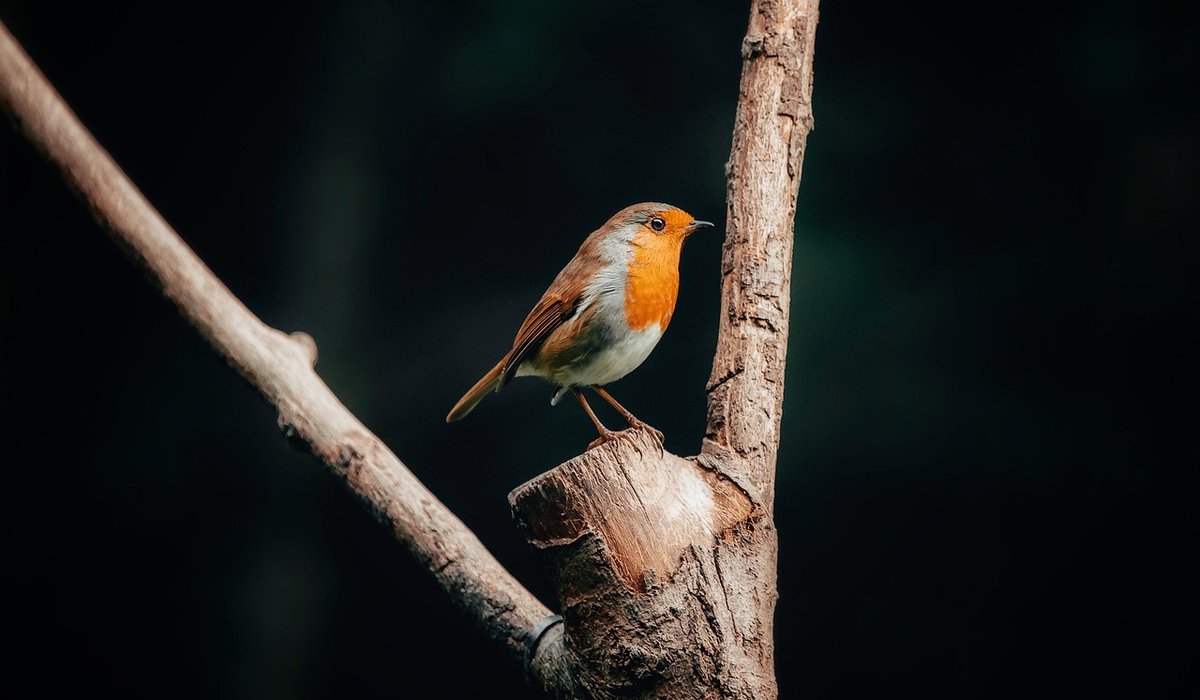
It is easy to assume that birds only think about nesting once the weather warms up, but plenty of activity happens well before then. Blue tits and great tits begin prospecting from January onwards, flitting around potential holes and checking them repeatedly. Robins and wrens, which prefer open-fronted boxes, start pairing up and investigating sites in late winter too. House sparrows, sadly in decline across much of the UK, will often visit a box on and off for weeks before committing.
Nest boxes also earn their keep outside the breeding season. On cold nights, birds such as blue tits, great tits and even wrens use them as roost sites, huddling inside for warmth. A box put up in autumn does double duty: a winter bedroom now, a nursery later.
So the ideal window runs from October through to the end of February. If you are reading this in spring and the box is still in the shed, put it up anyway. Some species attempt a second brood, and a box mounted in March or April has a fair chance next year even if it stays quiet this time.
Which direction should a nest box face?
This is where a lot of well-meaning boxes go wrong. Position matters enormously, and the single most useful rule is: face the box somewhere between north and east.
- North to east is the sweet spot. These aspects avoid the fiercest midday and afternoon sun, so chicks do not overheat inside what is essentially a wooden oven.
- Avoid south and south-west where you can. Strong sun through the day can make a box dangerously hot, and the prevailing south-westerly winds drive rain straight at the entrance hole.
- West is usually the next best option if north or east is impossible, but a sheltered spot beats a perfect compass bearing every time.
Also think about shelter. Tuck the box where driving rain and wind cannot batter the entrance, ideally with a little foliage or a wall nearby to soften the weather, but with a clear flight path in so birds are not ambushed by cats on the approach.
Height, siting and the right box for the right bird
Hole size decides your tenants, so match it to the birds you hope to attract:
- 25mm — blue tits, coal tits and marsh tits, and small enough to keep out larger intruders.
- 28mm — great tits and tree sparrows.
- 32mm — house sparrows and nuthatches.
- 45mm — starlings, which need a much grander entrance.
- Open-fronted — robins, wrens and spotted flycatchers, which will not use a hole at all. Site these low, hidden in ivy or a dense shrub.
Mount boxes between 1.5 and 3 metres up, higher for starlings and sparrows, lower for robins. Angle the box very slightly forward so rain runs off rather than in, and never add a perch below the hole — it does nothing for the birds and simply gives predators and bullying species a handy grip.
Spread boxes out if you have several. Tits are territorial and will squabble over a crowded wall, so aim for at least a few metres between them, and face them in different directions to offer choice.
A few maintenance habits worth keeping
Once a box is up, a little housekeeping keeps it useful for years.
- Clean it out each autumn, once breeding is finished and any late broods have fledged. Remove old nesting material and rinse with hot water — skip chemicals, which can linger.
- Check the fixings before winter gales arrive. A box that swings or falls empty is worse than no box.
- Use untreated or untreated-faced timber where you can, and avoid painting or varnishing the inside.
- Resist the urge to peek during the season. Watching from a distance is a joy; opening the box is a stress the birds do not need.
Do those few things and a well-placed box can be occupied for a decade or more, giving you a front-row seat to one of the best bits of British garden wildlife.


Coding is used in almost all aspects of life and work now, be it directly or indirectly. It’s not just for companies in the tech sector. “An increasing number of businesses rely on computer code,
Coding is used in almost all aspects of life and work now, be it directly or indirectly. It’s not just for companies in the tech sector. “An increasing number of businesses rely on computer code,
Coding is used in almost all aspects of life and work now, be it directly or indirectly. It’s not just for companies in the tech sector. “An increasing number of businesses rely on computer code,