

Why water matters as much as food
A garden that offers peanuts, sunflower hearts and a feeder full of fat balls is only half the job done. Birds need water every day of the year, and not simply for drinking. Bathing keeps feathers in working order: it loosens dust, grime and parasites, and the careful preening that follows realigns the barbs so the plumage traps air and keeps the bird warm and waterproof. That matters most in cold spells, during the moult, and for any bird that has to fly well enough to escape a sparrowhawk.
Even in a wet British climate, good clean water can be surprisingly hard to find. Ponds are often too deep or have sheer, slippery sides, puddles dry up within hours, and a water butt is simply out of reach. A well-placed dish in your garden can make a real difference, not only to blue tits and robins but to hedgehogs, bees and thirsty butterflies too.
Always keep it shallow
If you remember only one thing, make it this: shallow water is safe water. A small bird needs roughly 2–4cm of depth to bathe comfortably, and anything deeper with steep, slippery sides is a genuine drowning risk, particularly for fledglings and for birds that become waterlogged.
- Choose wide rather than deep. A plant saucer, a shallow ceramic oven dish or a sturdy rimmed tray works beautifully.
- Give them grip. Add a few clean pebbles, a piece of slate or a flat stone so birds can stand and judge the depth. This also gives bees a safe landing spot.
- Use a stone as a life raft. In a deeper container, a large rock in the middle creates a ledge and an easy way out.
- Add an escape ramp to ground-level dishes so hedgehogs and other small mammals can climb out rather than become trapped.
Ground-level water is brilliant for hedgehogs, fledglings and shyer species, but keep it out in the open, well away from shrubs where a cat can lurk.
Bird baths, drips and moving water
A classic pedestal bird bath, standing around 60–90cm high, gives birds a clear view and some safety from ground predators. Site it a metre or two from a shrub or tree so birds have somewhere to retreat to, but not so close that cover masks an approaching cat. A sunny spot suits winter, while partial shade in summer slows evaporation and keeps algae at bay.
Moving water is almost irresistible. The sound and sparkle of a drip draws birds in from far beyond your garden, and it is often the single change that turns a quiet bath into a busy one. You do not need anything expensive: a slow drip from the end of a hosepipe, a solar-powered fountain, a shallow pebble-lined rill, or simply a plastic bottle with a pinhole pierced in the lid hung above a dish to release a steady trickle. Even a gentle ripple across the surface encourages a visit.
Clean water, healthy birds
Dirty water spreads disease, and this is where a little routine really pays off. Empty and refill the bath daily, especially in warm weather, and give it a proper scrub once a week with a dedicated brush and a little mild soapy water. Rinse thoroughly afterwards. Never leave traces of harsh chemicals or bleach behind, and keep food and water stations apart so crumbs and droppings do not end up in the drinking water.
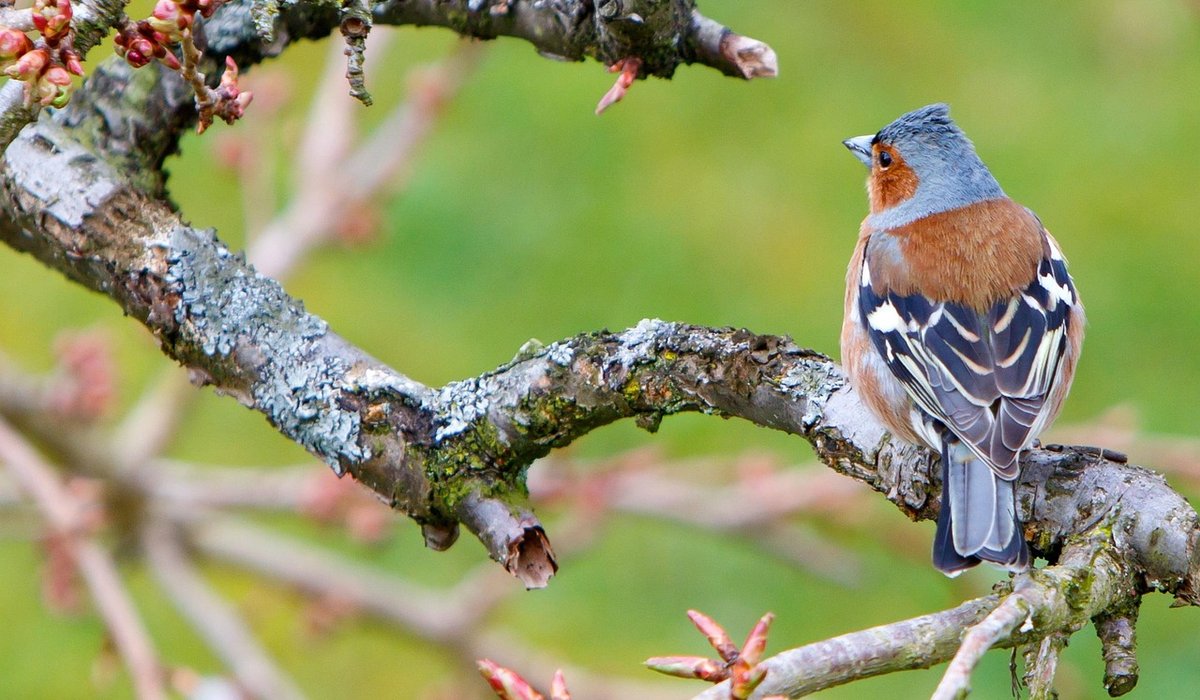
Algae, slime and mould build up quickly and harbour the organisms behind illnesses such as trichomonosis, which has hit greenfinches and chaffinches hard in recent years. If you notice a bird looking unwell — fluffed up, lethargic, drooling, or with food stuck around the beak — empty and disinfect the bath, and consider leaving it dry for a week or two to discourage birds from gathering at the same spot.
Keeping water ice-free in winter
When the ground is frozen solid, liquid water becomes genuinely scarce, and eating snow costs birds precious energy they can ill afford to spend. Ice is not a substitute. A few simple habits will keep a supply open through the coldest snaps:
- Pour a little warm — never boiling — water over the ice each morning and again in the afternoon.
- Float a ping-pong ball on the surface. It moves in the slightest breeze, slows freezing and doubles as a perch.
- Use a low-wattage, thermostatically controlled de-icer or small pond heater on frosty nights.
- Choose a dark-coloured bath in a sunny, sheltered corner, which thaws far sooner than one in shade.
- Never add antifreeze, salt, glycerine or sugar to the water — all are harmful or lethal to birds.
Do not smash the ice with force either; it can crack the dish and roughen the surface.
Small habits, big difference
Through a hot spell, top the bath up twice a day and add a second shallow dish in the shade, as evaporation is rapid and birds will queue for a turn. In autumn and spring, keep up the weekly scrub. Place a bath where you can see it from a window and you will learn an enormous amount about your garden's visitors — which species bathe, who drinks quickly and runs, and who lingers for a proper soak.
Consistency matters more than fancy equipment. Once birds learn where the water is, they will return to it daily, all year round, and your garden becomes a genuine refuge rather than just a feeding station.


Coding is used in almost all aspects of life and work now, be it directly or indirectly. It’s not just for companies in the tech sector. “An increasing number of businesses rely on computer code,
Coding is used in almost all aspects of life and work now, be it directly or indirectly. It’s not just for companies in the tech sector. “An increasing number of businesses rely on computer code,
Coding is used in almost all aspects of life and work now, be it directly or indirectly. It’s not just for companies in the tech sector. “An increasing number of businesses rely on computer code,