

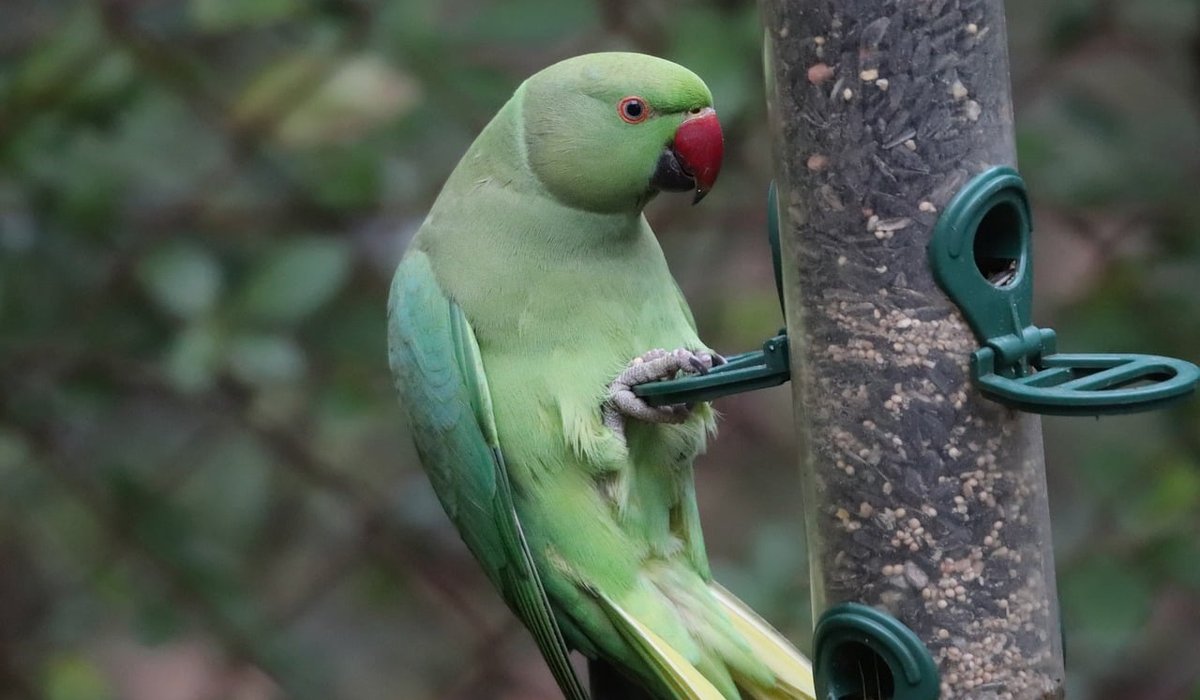
Why a Dirty Feeder Is a Danger to Your Garden Birds
Feeding the birds is one of the great small pleasures of a British garden. A few minutes with a cup of tea, watching blue tits squabble over the peanuts while a robin keeps a hopeful eye on proceedings, is hard to beat. But there is a side to feeding that is easy to overlook, and it matters enormously: the hygiene of the feeders themselves.
When birds crowd around a feeder, they are not just eating. They are dropping saliva, faeces and food debris onto the surfaces, and passing it on to the next visitor. In damp British weather, leftover seed and suet quickly go mouldy, and warm spells turn trays and ports into breeding grounds for bacteria. Conditions such as trichomonosis, avian pox and salmonellosis spread readily at busy feeding stations, and a single contaminated feeder can affect a whole neighbourhood's population. Trichomonosis in particular has hit greenfinches hard across the UK in recent decades, and good feeder hygiene is one of the most effective things we can do to help.
The good news is that keeping things clean is straightforward, takes very little time, and quickly becomes part of the routine.
How Often Should You Clean?
There is no single answer that suits every garden, because it depends on the feeders you use, the food you offer and how many birds visit. As a general guide:
- Every week is the sensible baseline for seed feeders, peanut feeders and suet feeders in normal conditions.
- Every two to three days for bird tables, ground trays and any feeder offering soft or fresh food such as mealworms, fruit or kitchen scraps.
- Twice weekly, or every other day, during warm weather, in very wet spells, or if you notice a lot of birds using the feeder. Heat and moisture accelerate the growth of mould and bacteria.
- Immediately if you see a sick bird at the feeder, or if the food has become wet, clumped or mouldy.
If you spot a bird that looks unwell, puffed up, lethargic or with a swollen, crusty face, take the feeders down altogether for a fortnight. Clean and disinfect everything, let it dry, and allow the birds to disperse rather than concentrating at one point. This simple step can genuinely slow the spread of disease.
What You Will Need
You do not need specialist kit, but a few basics make the job quicker and safer:
- Hot water and washing-up liquid — a weak solution is plenty for routine cleaning.
- A dedicated bottle brush or feeder brush — narrow brushes get into ports, tubes and the corners of trays. An old toothbrush is excellent for fiddly parts.
- A bucket or basin — ideally one kept just for feeder cleaning, so garden chemicals never contaminate it.
- Rubber gloves — worth wearing, especially if you have any cuts on your hands.
- A disinfectant suitable for animal use — for periodic deep cleans or after illness. Choose one designed for bird or animal enclosures and follow the dilution instructions exactly.
- Paper towel or a clean cloth — for drying, plus somewhere warm and airy to leave feeders to dry fully.
Never use bleach at full strength, oven cleaner, or any product not intended for animal contact. Residues left on a feeder can do real harm to the birds you are trying to help.
Step by Step: Cleaning a Feeder Properly
Start by emptying out the old food. Do this over a bin rather than the lawn, and never tip old seed onto the ground under the feeder — that simply creates another contaminated surface. Shake out loose husks and debris, then dismantle the feeder as far as it will go. Most tube feeders separate into a base, a tube and a lid, and getting into all three makes an enormous difference.
Wash every part in hot soapy water, using your brush to scrub inside the tube, around the feeding ports, under the perches and into the seams of the base. These are the spots where old seed and droppings collect unnoticed. Take your time — a quick swill is rarely enough.
Rinse thoroughly in clean running water. This step is not optional. Soap residue can irritate birds' eyes and skin, and it leaves a film that attracts dirt. Rinse until the water runs clear and there is no trace of suds.
For a deeper clean, or after illness has been seen in the garden, soak the dismantled parts in a diluted animal-safe disinfectant for the time stated on the label, then rinse again just as thoroughly.
Finally, dry everything completely before refilling. Hang the feeder in the sun or stand the parts on a draining rack in a warm, airy spot. Damp feeders and fresh seed are a recipe for mould within days, which defeats the whole exercise.
Keeping Food Fresh and Feeders Safe
Clean feeders work best alongside fresh food and a sensible feeding routine:
- Only put out as much as the birds will clear in a day or two. Uneaten food sits, dampens and spoils. In summer, scale back further.
- Store seed in a cool, dry, airtight container and use it within a few months. If it smells musty or shows any sign of mould, throw it away rather than risk it.
- Choose the right food for the season. High-fat foods such as suet are useful in cold weather but turn rancid quickly in heat.
- Rotate feeder positions and move them a few feet every month or so, as droppings and debris build up underneath.
- Clean underneath the feeder too. Rake up or sweep the accumulated husks and droppings regularly, and wash your hands afterwards.
- Wash your hands thoroughly after every cleaning session, and keep feeders away from areas where food is prepared.
Making It Part of the Weekly Routine
Feeder cleaning sounds like a chore, but in practice it is fifteen minutes with a bucket, and it slots neatly into a weekend routine. Set a reminder if you need one, keep your brushes in the same place so they are always to hand, and let the whole thing become as habitual as topping up the seed.
Regular cleaning not only protects the birds from disease — it also keeps your feeders working properly, stops ports clogging, and means the food you put out actually gets eaten rather than quietly rotting. A little hot water and a good scrub is one of the kindest things you can do for the visitors to your garden, and it costs almost nothing. Your blue tits, greenfinches and sparrows will repay you with years of company.


Coding is used in almost all aspects of life and work now, be it directly or indirectly. It’s not just for companies in the tech sector. “An increasing number of businesses rely on computer code,
Coding is used in almost all aspects of life and work now, be it directly or indirectly. It’s not just for companies in the tech sector. “An increasing number of businesses rely on computer code,
Coding is used in almost all aspects of life and work now, be it directly or indirectly. It’s not just for companies in the tech sector. “An increasing number of businesses rely on computer code,