

Why winter feeding needs a plan
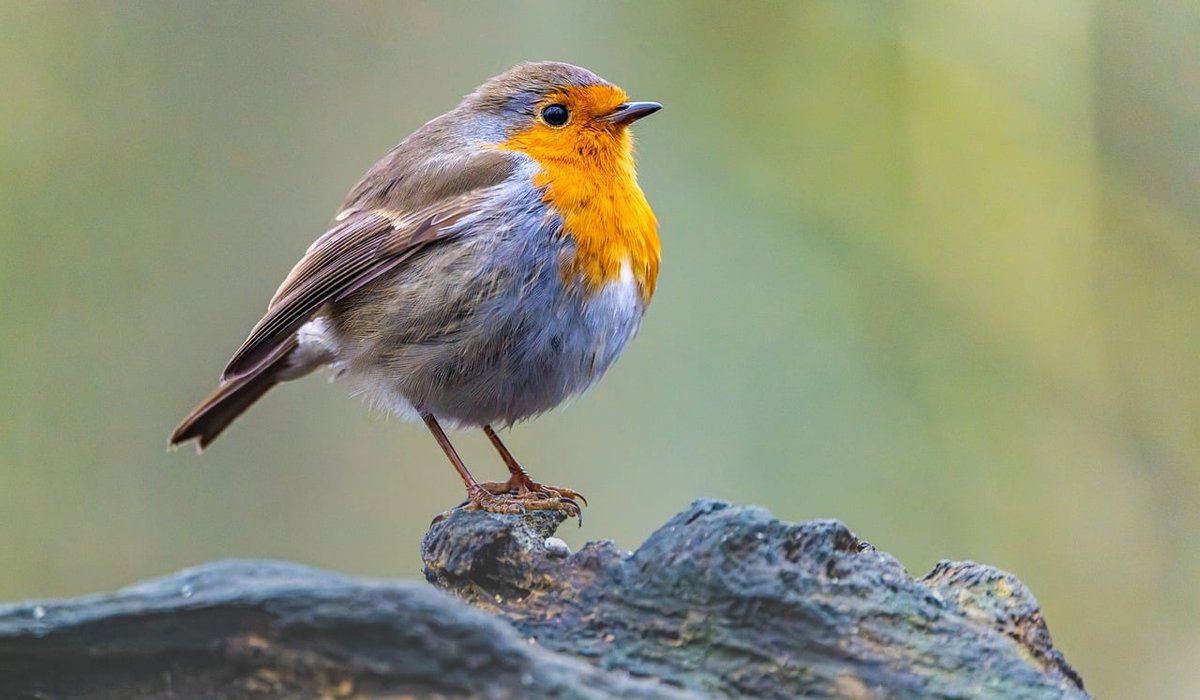
Feeding garden birds in winter is one of the great small pleasures of British wildlife gardening. A blue tit on a hanging feeder, a robin on the fence, a charm of goldfinches on a nyjer feeder—these moments lift the coldest morning. Birds need reliable, high-energy food when frost and short days make natural supplies scarce. But a generous hand can also lay on a buffet for rats. Rats are intelligent, adaptable and quick to learn where food appears. The good news is that you can feed the birds well and make your garden far less attractive to rodents.
Hang feeders high and away from cover
The first rule is to take food off the ground. Hanging feeders keep seed, suet and peanuts above the ground, away from rats’ usual routes.
- Hang feeders from a smooth metal pole or sturdy branch at least two metres up. A baffle—a cone or dome—can stop rats and squirrels climbing.
- Keep feeders two metres from fences, sheds, hedges, compost heaps and bins. Rats like to approach under cover.
- Use feeders with built-in seed trays, or add a tray beneath each one. Sunflower hearts and no-mess mixes create less waste.
- Avoid ground trays and open bird tables if rats are already visiting. If you use a bird table, clear it every evening.
- Hang from a washing line only if it is high and far from climbing points. Rats can climb rough surfaces and jump well.
A well-placed hanging feeder is not rat-proof on its own, but it removes the easiest meal.
Catch the spills before rats find them
Most rat problems around feeders start with spilled food. Seed, husks, suet crumbs and peanut fragments collect underneath, and rats will hoover them up after dark. Catch as much as you can and clear the rest each evening.
- Fit a seed tray or large catch tray under every hanging feeder. Empty it into a sealed bin before dusk.
- Put a waterproof mat or tarpaulin under the feeding area. It makes sweeping quick and stops seed vanishing into grass.
- Sweep or vacuum fallen food, husks and crumbs every evening. Rats are mainly nocturnal, so remove food before nightfall.
- Feed only what the birds will eat in a day. If you cannot clear up daily, reduce the amount or pause feeding.
- Empty bird tables and ground trays before dusk. Never leave leftovers out overnight.
A rake and dustpan will do on lawn; a stiff brush and handheld vacuum work on gravel or paving. Five minutes each evening makes a huge difference.
Store bird food like a rodent-proof larder
Rats are excellent climbers, chewers and tunnellers. A paper sack or plastic bag of seed in a shed is an open invitation. Store all bird food in metal containers with tight-fitting lids.
- Use galvanised metal bins, metal tins or strong metal boxes. Rats can chew through plastic.
- Keep containers off the floor on a metal shelf, away from walls. This makes them harder to reach and easier to check.
- Clean up spills immediately, including dust at the bottom of a bag. Even a small amount of seed attracts rodents.
- Rotate your stock and use older food first. Check regularly for chewed corners, holes or droppings.
- Put empty packaging in a sealed bin, not an open bag or compost heap.
A metal bin with a lid costs little and lasts for years. It protects food from damp and rodents, and keeps the shed tidy.
Make the whole garden less inviting
Rats need food, water and shelter. Removing harbourage makes your garden less appealing, even if a few seeds escape.
- Keep compost heaps enclosed and turn them regularly. Do not site them next to feeders.
- Avoid piles of logs, bricks or long grass near the feeding area. Rats use these as cover.
- Repair gaps under sheds, decking and outbuildings. Seal holes larger than a two-pound coin—rats squeeze through tiny spaces.
- Secure wheelie bins and keep pet food indoors. Clear fallen fruit from lawns and borders.
- If you keep chickens or ducks, clear spilled feed each evening and store it in metal bins.
If you see rats regularly, pause feeding for a fortnight. Remove all food sources, then start again with hanging feeders and trays only. If the problem continues, seek advice from a reputable pest controller who uses humane methods.
A simple routine that works
Winter feeding does not have to be complicated. A short daily routine keeps your garden bird-friendly and rodent-unfriendly.
- Morning: fill hanging feeders with a small amount of food. Use trays beneath them.
- Evening: sweep or vacuum under the feeders, empty trays and bird tables, and store food in metal containers.
- Weekly: wash feeders with hot soapy water, rinse thoroughly and let them dry. Check your store for signs of rodents.
- Monthly: move feeders slightly, check for rat runs or droppings, and trim cover near the feeding area.
Your birds will reward you with colour, song and activity on the bleakest days. With hanging feeders, seed trays and a metal bin, you can enjoy the winter spectacle while keeping rats looking elsewhere for supper.


Coding is used in almost all aspects of life and work now, be it directly or indirectly. It’s not just for companies in the tech sector. “An increasing number of businesses rely on computer code,
Coding is used in almost all aspects of life and work now, be it directly or indirectly. It’s not just for companies in the tech sector. “An increasing number of businesses rely on computer code,
Coding is used in almost all aspects of life and work now, be it directly or indirectly. It’s not just for companies in the tech sector. “An increasing number of businesses rely on computer code,